GAZE is a nationwide photography award for the LGBTQIA+ community, organised from Berlin but open to queer photographers across Germany, the EU and the UK.
It is not about outsiders documenting queer life from a distance. GAZE invites queer people themselves to decide what their worlds look like when they are turned into images.
For the 2026 edition, the theme is HOW TO / GATHER: Queer Communities in Photography. At its core, the award asks how queer people meet, care for each other, build chosen families and create spaces where identities can unfold without constantly having to justify their existence.
What the open call is looking for
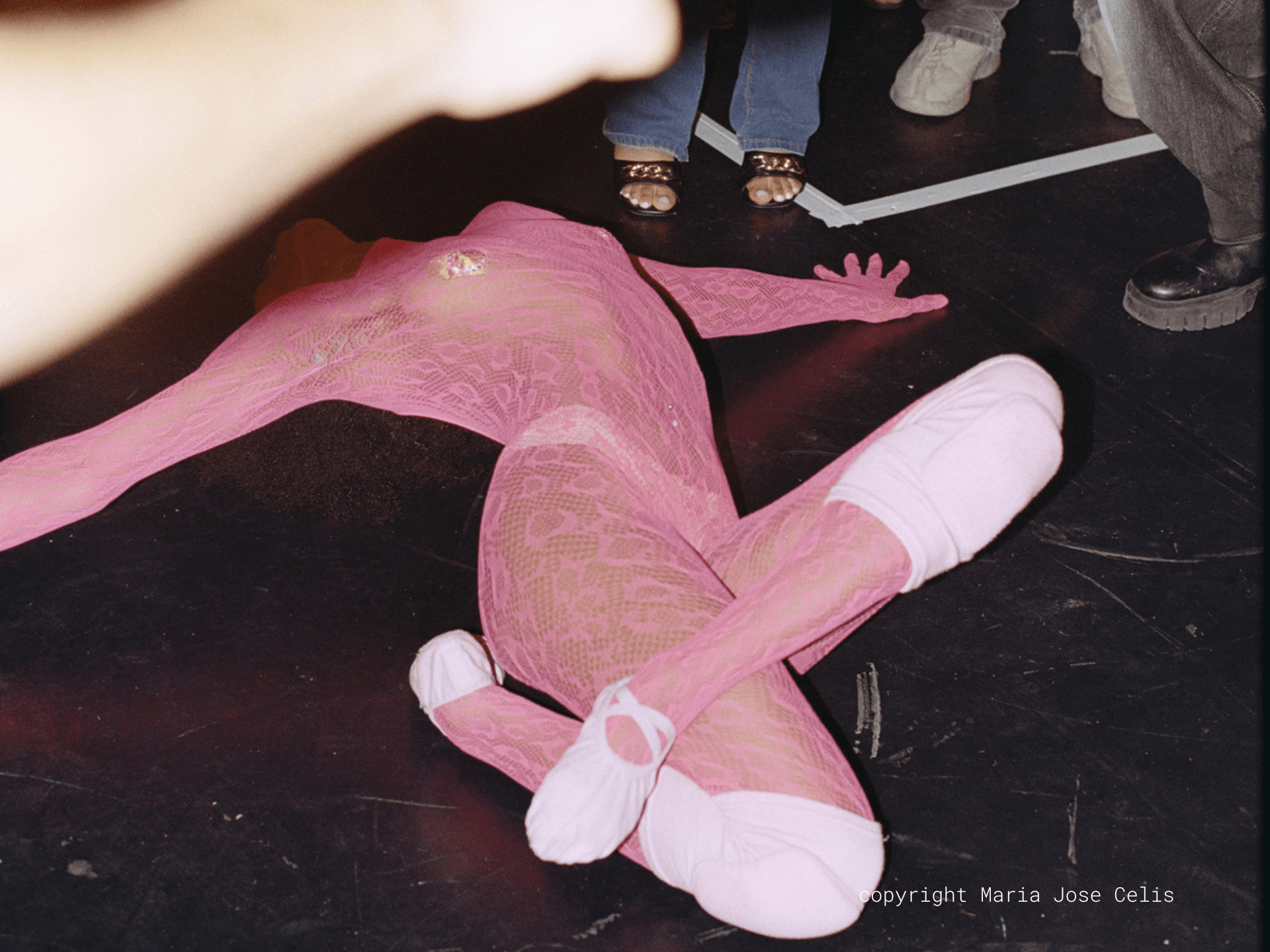
The 2026 call invites photographic work that explores queer spaces and forms of community: shared apartments and kitchens, collectives, bars, clubs, rural pride events, protest lines, support groups, kink parties and care networks.
The focus is on lived realities and relationships rather than purely aesthetic mood boards. Previous editions organised submissions into categories such as Pride in Action, Pride Portraits and Everyday Pride, mapping a spectrum from explicitly political moments to intimate daily life.
The aim is to show queer life as more than parade shots: joy, exhaustion, tenderness, conflict, quiet survival and small solidarities. What happens when queer communities are threatened, when access to queer spaces is limited, when the free expression of one's identity is not possible? The award asks those questions in images.
Participation is open to people who identify as LGBTQIA+ and are at least 18 years old. For 2026, residency rules have been extended: everyone living in Germany, the EU or the United Kingdom can submit. Entries are uploaded via the contest platform Picter, which handles submission and administration.
What winners receive and where the images go
The award is built around a political aim: using photography to strengthen the visibility and acceptance of queer communities. Prize money and equipment vouchers are tools to support people who already do this work with limited resources.
For 2026, the award structure includes a national prize, an international prize and an audience prize. Support from partners such as MPB provides vouchers for photo and video equipment on top of prize money.
More importantly, selected works are shown in a group exhibition in Berlin. The 2025 edition was presented under the title Wir existieren und wir bleiben (We exist and we stay) at GlogauAIR in Kreuzberg. The 2026 exhibition is planned for winter in Berlin.
The show functions less as a classic white cube and more as a visual gathering: different queer gazes, different bodies and different geographies sharing walls.
Who is behind it
GAZE was initiated by Nadja Brendel, Sasha Weber and Han Vogel. From the first edition on, they framed the award as a tool of self-empowerment and public dialogue rather than an art-market ladder.
The point is not to discover the next photography star. The point is to create conditions where queer people photographing queer people is treated as serious cultural work, financially and curatorially.
Why it belongs on the Berlin Kink Calendar
The Berlin Kink Calendar does not only map parties, workshops and play spaces. It also pays attention to which bodies and desires become visible when we talk about sex, community and culture.
GAZE is relevant here because the award deliberately places the camera in queer hands and asks them to develop their own visual language for pride, intimacy, protest and everyday life.
For Sex Searchers who move between clubs, play parties, activist spaces and domestic worlds, an award like this becomes another arena of cultural work. You see which bodies and practices are shown, which are missing, how kink, care, chosen family and political struggle are framed, and where the images feel honest rather than produced for optics.
GAZE does not replace a night in the club or a march in the streets. It adds a layer: photographs as long-term memory of queer organising, desire and survival. Made from the inside, not looking in from the outside.
Before you mark your calendar: always double-check dates, location, and ticket info directly with the organizers.
Even the best promises come with fine print.